
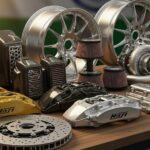



When maintaining or upgrading a premium vehicle, such as a BMW, Mercedes-Benz, Audi, or Porsche, choosing the right parts is critical to preserving performance, safety, and value. While original equipment manufacturer (OEM) parts are often the go-to choice, aftermarket parts can offer cost-effective alternatives without compromising quality—if you know how to identify genuine ones. This guide will walk you through the process of spotting authentic aftermarket parts for premium vehicles, ensuring your car remains in top condition.
What Are Aftermarket Parts?
Aftermarket parts are components manufactured by companies other than the vehicle’s original manufacturer. These parts are designed to fit specific vehicle models and often provide comparable or even superior performance to OEM parts. However, the aftermarket parts market is vast, and not all products are created equal. For premium vehicles, where precision and quality are paramount, selecting genuine aftermarket parts is essential to avoid issues like poor fitment, reduced performance, or even damage to your vehicle.
In this blog post, we’ll cover key strategies for identifying high-quality aftermarket parts, including how to research reputable brands, verify certifications, check reviews, and avoid common pitfalls. By the end, you’ll be equipped to make informed decisions and keep your premium vehicle running smoothly.
Why Choose Aftermarket Parts for Premium Vehicles?
Before diving into how to spot genuine aftermarket parts, let’s explore why they’re a popular choice for premium vehicle owners:
- Cost Savings: Aftermarket parts are often more affordable than OEM parts, making them an attractive option for budget-conscious owners who still want quality.
- Variety and Customization: Aftermarket parts offer a wider range of options, including performance-enhancing components like upgraded brakes, suspension systems, or exhausts.
- Availability: OEM parts can sometimes be backordered or discontinued, especially for older models. Aftermarket parts are often more readily available.
- Innovation: Reputable aftermarket manufacturers invest in research and development, sometimes producing parts that outperform OEM equivalents.
However, the challenge lies in distinguishing genuine, high-quality aftermarket parts from low-quality counterfeits or substandard products. Let’s explore how to do that.
Key Steps to Spot Genuine Aftermarket Parts
1. Research Reputable Aftermarket Brands
The first step in finding genuine aftermarket parts is to research brands known for producing high-quality components for premium vehicles. Established brands often have a track record of reliability and are trusted by car enthusiasts and mechanics alike.
- Look for Proven Brands: Some well-known aftermarket brands for premium vehicles include Bilstein (suspension), Brembo (brakes), Bosch (electrical components), and MagnaFlow (exhaust systems). These brands have built reputations for quality and compatibility with luxury vehicles.
- Check Compatibility: Ensure the brand explicitly states that their parts are designed for your vehicle’s make, model, and year. Reputable manufacturers provide detailed fitment guides.
- Visit Manufacturer Websites: Go directly to the brand’s official website to verify their product offerings and find authorized distributors. This reduces the risk of purchasing counterfeit parts.
Pro Tip: Avoid generic or unbranded parts, as they often lack the engineering precision required for premium vehicles.
2. Verify Certifications and Standards
Genuine aftermarket parts for premium vehicles should meet industry standards and certifications that ensure quality and safety. Look for the following:
- ISO Certifications: The International Organization for Standardization (ISO) sets global standards for manufacturing. Parts certified with ISO 9001 or ISO/TS 16949 are more likely to meet high-quality standards.
- SAE Standards: The Society of Automotive Engineers (SAE) establishes benchmarks for automotive components. Parts that meet SAE standards are designed to perform reliably.
- TÜV Certification: Common in Europe, TÜV certification indicates that a part has been rigorously tested for safety and performance, particularly for German vehicles like BMW or Mercedes-Benz.
When shopping, check product packaging or descriptions for these certifications. Reputable retailers and manufacturers will highlight compliance with these standards.
3. Buy from Authorized Retailers
Purchasing aftermarket parts from trusted sources is crucial to avoiding counterfeits. Here’s how to ensure you’re buying from a legitimate retailer:
- Shop from Authorized Dealers: Visit the manufacturer’s website to find a list of authorized retailers or distributors. For example, brands like Brembo or Bilstein often list their official partners.
- Avoid Unverified Online Marketplaces: While platforms like eBay or Amazon may offer competitive prices, they can also be flooded with counterfeit parts. If you must shop on these platforms, verify the seller’s ratings and reviews.
- Check for Holograms or Serial Numbers: Many genuine aftermarket parts come with holograms, QR codes, or serial numbers that can be verified with the manufacturer to confirm authenticity.
Pro Tip: Specialty retailers that focus on premium vehicle parts, such as ECS Tuning or FCP Euro, are often more reliable than general auto parts stores.
4. Inspect Packaging and Labeling
Genuine aftermarket parts are typically well-packaged with clear branding and professional labeling. Here’s what to look for:
- High-Quality Packaging: Authentic parts come in sturdy, branded boxes with clear logos, part numbers, and barcodes. Poorly printed or generic packaging is a red flag.
- Detailed Instructions: Reputable manufacturers include installation guides or spec sheets that outline compatibility and usage.
- Country of Origin: While some high-quality aftermarket parts are made in countries like Germany or the USA, be cautious of parts from unknown or questionable sources. Check if the country of origin aligns with the brand’s manufacturing standards.
If the packaging looks suspicious or lacks detail, it’s best to avoid the product.
5. Read Reviews and Seek Expert Opinions
Before purchasing aftermarket parts, take advantage of online resources to gauge their quality:
- Customer Reviews: Check reviews on retailer websites, automotive forums, or social media platforms like X for real-world feedback from other premium vehicle owners.
- Automotive Forums: Communities like BimmerFest (BMW), Audizine (Audi), or Rennlist (Porsche) are goldmines for advice on aftermarket parts. Look for threads discussing specific brands or components.
- Consult a Mechanic: A trusted mechanic who specializes in premium vehicles can recommend reliable aftermarket parts based on their experience.
Pro Tip: Search for posts on X using hashtags like #BMWParts or #AudiPerformance to find recent discussions about aftermarket parts.
6. Compare Pricing
While aftermarket parts are generally cheaper than OEM parts, pricing can still reveal a lot about quality:
- Beware of Unrealistic Discounts: If a part is significantly cheaper than similar products from reputable brands, it’s likely a counterfeit or low-quality item.
- Compare Across Retailers: Check prices on multiple trusted websites to establish a baseline. If a deal seems too good to be true, it probably is.
7. Look for Warranties and Return Policies
Reputable aftermarket manufacturers stand behind their products with warranties or guarantees:
- Manufacturer Warranty: High-quality aftermarket parts often come with a warranty ranging from one to three years. For example, Bilstein shocks typically include a limited lifetime warranty.
- Retailer Return Policies: Choose retailers with clear return policies in case the part is defective or incompatible.
Always read the fine print to understand what’s covered under the warranty and how to file a claim if needed.
8. Understand the Risks of Counterfeit Parts
Counterfeit aftermarket parts are a significant issue in the automotive industry, particularly for premium vehicles. These parts may look identical to genuine ones but often fail to meet performance or safety standards. Here’s how to avoid them:
- Check for Misspellings or Inconsistencies: Counterfeit parts may have typos on packaging or slightly altered logos.
- Verify Part Numbers: Cross-reference the part number with the manufacturer’s catalog to ensure it matches.
- Test Fitment: If possible, have a mechanic inspect the part before installation to confirm it fits and functions correctly.
Counterfeit parts can lead to costly repairs or even safety hazards, so vigilance is key.
Common Aftermarket Parts for Premium Vehicles
To give you a better idea of what to look for, here are some common aftermarket parts for premium vehicles and trusted brands to consider:
- Brakes: Brembo, Hawk Performance, or EBC Brakes offer high-performance brake pads and rotors.
- Suspension: Bilstein, KW Suspensions, or H&R provide coilovers and shocks tailored for luxury vehicles.
- Exhaust Systems: MagnaFlow, Borla, or Akrapovič produce exhausts that enhance sound and performance.
- Filters: K&N and AFE Power offer high-flow air filters for improved engine efficiency.
- Spark Plugs and Ignition Coils: Bosch and NGK are trusted for reliable ignition components.
Always ensure the part is compatible with your specific vehicle model and meets your performance goals.
Final Tips for Choosing Aftermarket Parts
- Prioritize Quality Over Price: For premium vehicles, cutting corners on parts can lead to expensive repairs down the line.
- Keep Records: Document the parts you purchase, including receipts and warranty information, for future reference.
- Stay Informed: Follow automotive blogs, YouTube channels, or X accounts dedicated to premium vehicles for the latest recommendations on aftermarket parts.
Conclusion
Choosing genuine aftermarket parts for your premium vehicle doesn’t have to be daunting. By researching reputable brands, verifying certifications, buying from trusted retailers, and consulting experts, you can find high-quality components that keep your car performing at its best. While aftermarket parts offer cost savings and customization options, always prioritize quality to protect your investment. With the tips outlined in this guide, you’ll be well-equipped to spot genuine aftermarket parts and maintain the luxury and performance of your premium vehicle.
For more automotive tips and recommendations, follow our blog or check out discussions on X about premium vehicle maintenance. Happy driving!


